
It’s a crisp winter evening in 2025. Snowflakes dance in the air as families stroll past homes illuminated by smart lights that twinkle in perfect rhythm to familiar carols. A child points a phone at a storefront window, and - gasp! - an augmented reality snowman springs to life and waves back. Across the street, a grandmother chuckles as an app seamlessly swaps her face onto a dancing elf wearing an ugly sweater. In a nearby living room, siblings huddle around a tablet, enthralled by a bedtime story featuring themselves as heroes on a Hanukkah adventure, which is being written in real time by AI.
This is not science fiction; it’s the new reality of holiday fun, powered by modern AI. Intersog’s team has been closely watching these trends. As providers of cutting-edge AI development services, we’ve seen firsthand how AI adds a special kind of sparkle to seasonal celebrations. The result? A winter season brimming with playful, personalized, and downright magical entertainment experiences that barely existed a few years ago. Let's explore how AI is bringing new kinds of joy to our holidays.
A New Kind of Holiday Magic
Holiday traditions have always felt magical. Think twinkling lights, festive music, and stories of flying reindeer. Now, AI is amplifying that magic in unexpected ways. Over the past few years, AI tools have emerged and quickly become part of our holiday traditions. For instance, after OpenAI released ChatGPT to the public in late 2022, people began using it for unconventional holiday creativity. One newspaper even tasked the chatbot with writing Hallmark-style Hanukkah movie plots and noted, "We decided to put it to the test by asking it to do what anyone would do around Hanukkah - write movie plots. We're certainly entertained." Indeed, from Christmas to Hanukkah to New Year's, tech-savvy revelers have begun to embrace AI as a new "elf" in their holiday workshop.
AI’s role in the holidays is more than just a gimmick; it’s part of a broader trend of technology becoming entwined with culture and celebration. By 2025, tools and platforms powered by AI will be more accessible than ever. Many of this year's most viral pop culture moments have an AI angle, and the holiday season is no exception. We're witnessing a variety of AI holiday magic, ranging from the glow of millions of personalized e-cards sent around the world to massive public light shows controlled by algorithms. Tech industry observers have dubbed this phenomenon a "new kind of holiday magic," where tradition meets innovation. AI isn't replacing our cherished rituals - your family might still bake cookies or light the menorah - but it's adding fresh layers of fun.
In the following sections, we'll explore how AI is lighting up our screens with sparkling visuals, creating stories and songs for cozy winter nights, transforming the world into a festive stage, and even embracing delightful glitches that make us smile. Grab a mug of hot cocoa, and let's dive in!
Screens Full of Sparkles - Visual AI Holiday Fun
One of the first places where the impact of AI becomes obvious is on our screens. If you scroll through social media in December, you’ll likely see an explosion of AI-crafted holiday visuals, such as friends as anime-style Christmas elves, family portraits reimagined as watercolor snow scenes, and animated greeting cards where the characters literally sing to you. This trend emerged around 2022 and shows no sign of slowing down. AI image generators and editing apps have essentially become Santa’s new digital art studio, enabling even non-artists to create stunning visuals for the holiday season.
AI Greetings & Cards
Holiday cards have come a long way since the days of stiff family photos and generic e-cards. Now, with a bit of AI help, anyone can create unique, personalized greetings. Specialized apps and platforms make it easy to design cards that move, sing, or feature your face in fantastical scenes. For example, Reface, known for its face-swapping technology, launched a web platform called Unboring that adds a touch of AI magic to the card creation process. "With the help of the latest AI technologies, you can create your own Christmas card with your photos or your friends' photos, produce animated greeting content, and add humor to regular greetings," the Reface team explains.
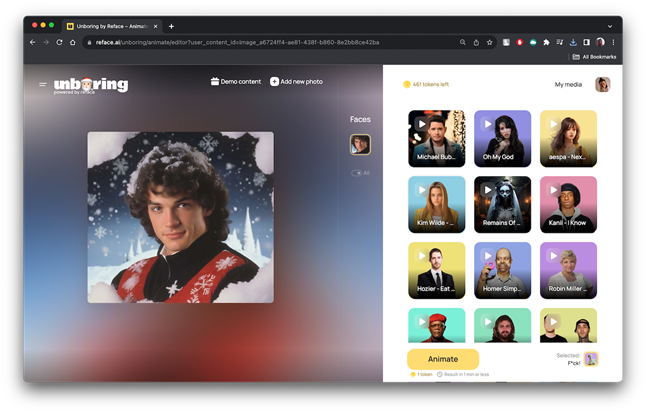
In practice, this means you can take a selfie and transform it into a short video of you dancing like Frosty the Snowman or lip-syncing to "Jingle Bells" with just a few clicks. These animated photo and song mashups have become a popular way to send holiday greetings. Imagine your loved ones' surprise when they open a card and see your face merrily singing along to a classic Christmas tune! Unboring offers a catalog of festive songs to pair with animated photos. One user might choose the jazzy version of "Winter Wonderland" and have their photo smile and sway to the beat. This charming, personal touch turns a static card into a mini holiday performance.
Portraits & Avatars
Social media avatars receive festive upgrades during the winter, and lately, AI has been doing the heavy lifting in this area as well. Remember when an app called Lensa AI went viral in December 2022? Suddenly, your friends weren't posting ordinary selfies anymore; instead, they were posting breathtaking artistic renditions of themselves. One friend looked like a snowy anime warrior, while another looked like a serene Christmas angel painted in oil. Lensa's "Magic Avatars" feature uses a Stable Diffusion AI model to reimagine your face in different styles. It became the top download in app stores during the holiday season.
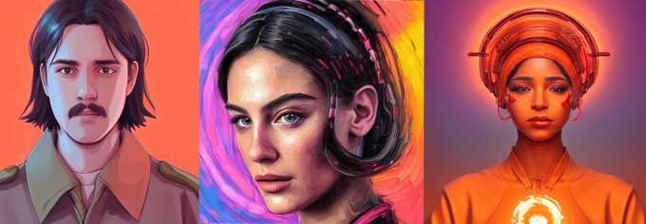
As TechCrunch reported at the time, “suddenly, your friends are all posting artistic renditions of themselves” generated by the app.
For many, it was a fun way to close out the year – gifting themselves a set of fantasy portraits or using them as profile pictures while messaging holiday greetings. These AI avatars felt like a present you’d give yourself: Here’s me, but as a character in a sci-fi holiday snow globe!
The popularity of AI portraits and avatars during the holidays highlights something special about this tech: it makes people feel seen in new ways. Instead of using a generic Santa GIF or a stock illustration, you can insert yourself (or your family, or even your pet) into the artistic narrative of the season. Each avatar or portrait is uniquely you, yet rendered with a creative twist – be it fantasy, cartoon, or photorealistic art. It’s not just cool to look at; it’s personal. No wonder so many young professionals and parents alike have jumped on the avatar trend, sharing them as profile pics or even printing them as holiday gifts. Last year’s artsy AI avatars were so prevalent that they sparked conversations about AI ethics and art styles – but despite some controversy, the trend proved one thing clearly: people love seeing themselves reimagined through AI’s creative lens, especially when the results can be as visually striking as a professionally painted portrait.
Year-in-Review Videos and Memories
As the year’s end approaches, another tradition has emerged: the “year-in-review” video. These compilations of our favorite photos and clips from the past year have become an annual staple on social platforms.
In 2025, AI plays a subtle yet key role in making these recap videos easier to create – and more delightful to watch. How so? Behind the scenes, machine learning algorithms help automatically select your “top moments” and stitch them together with festive music and effects. What used to take hours of manual editing can now happen almost magically with a template and a few taps.
Social media companies are actively encouraging users to participate in this trend. For instance, Snapchat has been prompting users to create 2023 recap videos within its app and has even emulated TikTok-style montage formats to encourage participation.
Year-end videos were everywhere as 2023 came to a close. TikTok reported billions of views for #2023Recap content, and Instagram noted that "2023 Recap" was among its top searches near New Year's Eve. The pressure to present one's year as a neat, heartwarming package has never been greater.
Fortunately, AI is up to the task. Apps like CapCut offer templates that automatically synchronize your photos to the beats of popular holiday tunes. Google Photos and Apple's Memories feature use AI to recognize faces and meaningful events. Then, they suggest ready-made slideshows with titles like "Winter 2025 Highlights" or "Holiday Season Recap." These slideshows have transitions that sync with the beat of sentimental music. The result? Even those of us who aren’t tech-savvy can share a polished “My Year” video with friends and family.
These AI-generated recap videos are a new form of digital storytelling for our personal lives. They allow us to reflect on the past year, including vacations, birthdays, and ordinary moments, and share that reflection during the holiday season. It feels communal. On New Year's Eve, your feed fills with friends' highlight reels, and you're all collectively saying, "Look back with me on what made this year special."
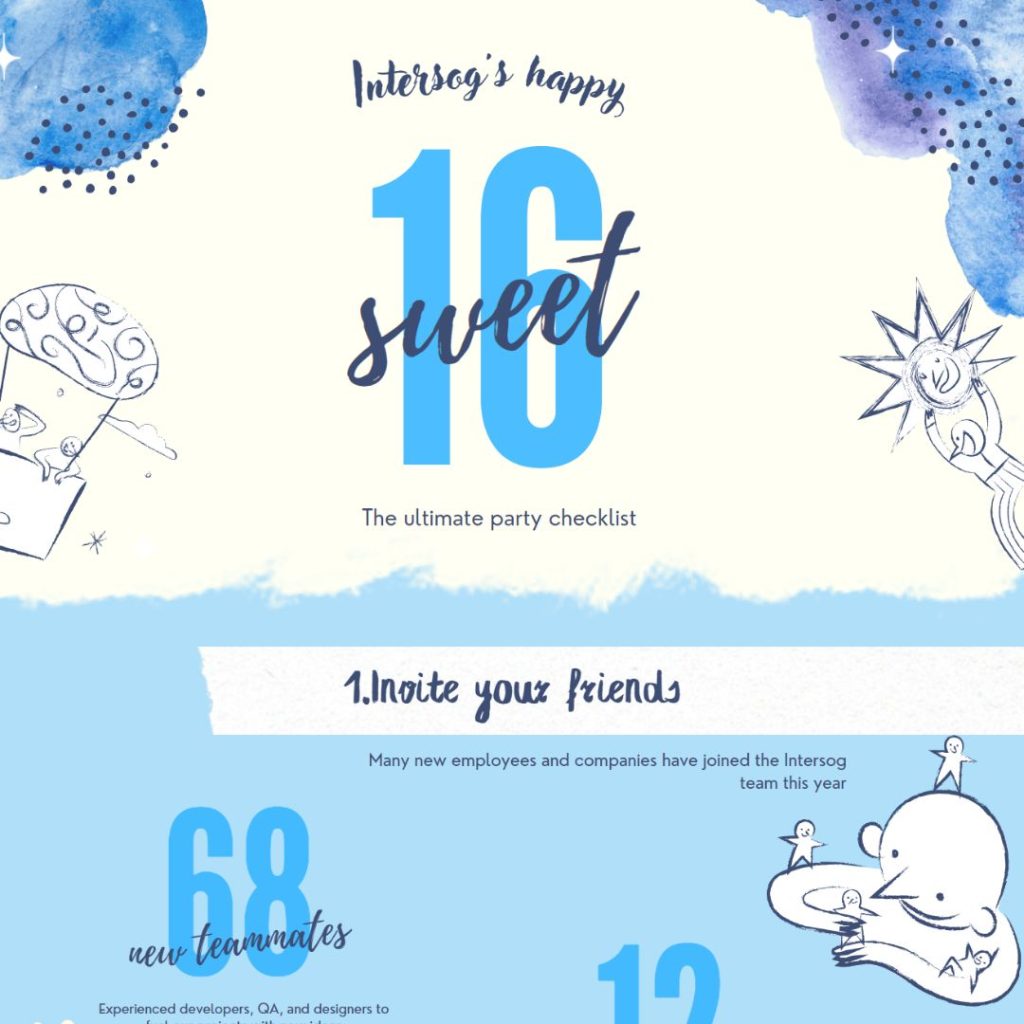
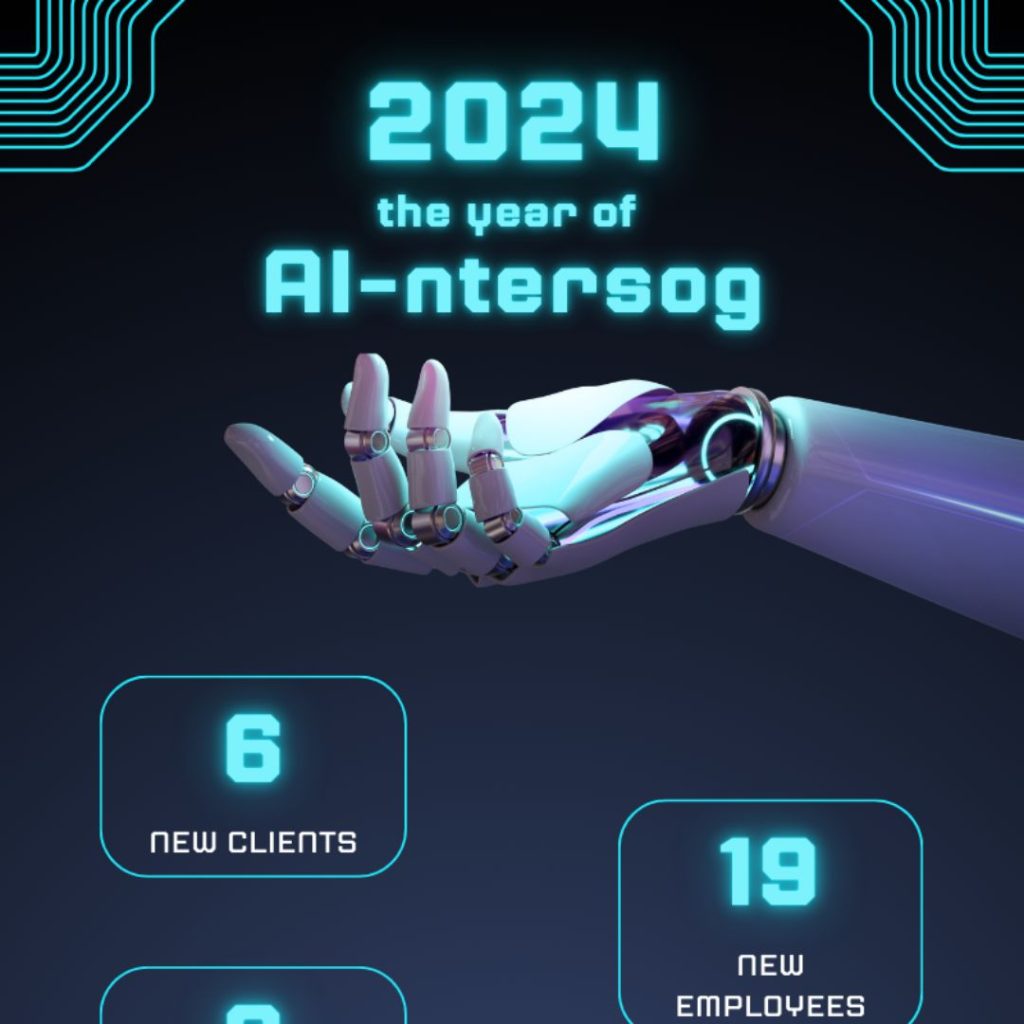
We've experienced this magic firsthand - we've created our own recap video every year. You can view them year by year, and they not only tell the story of our company but also the story of the world around us : 2018, 2019, 2020, 2021, 2022, 2023, 2024. Yep, the last one is all about AI.
Stories, Songs and Characters for Long Winter Nights
The holidays have always been about stories and songs, from classic tales read by the fire to carolers serenading in the snow. Now, in 2025, AI is taking on the roles of storyteller, songwriter, and imaginary friend. It can create new narratives and melodies on demand. These AI-driven experiences keep us entertained on long winter nights in ways that were unimaginable a few years ago. The best part? They’re often interactive and personalized, turning passive listeners into active participants.
AI Story Generators: Tales Tailored Just for You
There are few things cozier than snuggling up with a good story on a cold night. Now, imagine if that story was created just for you or your children, featuring your names and favorite things - maybe even your wildest ideas! AI-powered story generators are making this a reality for families around the world. These tools use advanced language models (the same kind of AI “brain” behind chatbots) to create unique tales in an instant. Parents and kids can input a few details - such as the child’s name, a desired theme like "snowy adventure" or "Hanukkah miracle," or even a friendly dragon - and the AI will craft a short story weaving all those elements together.
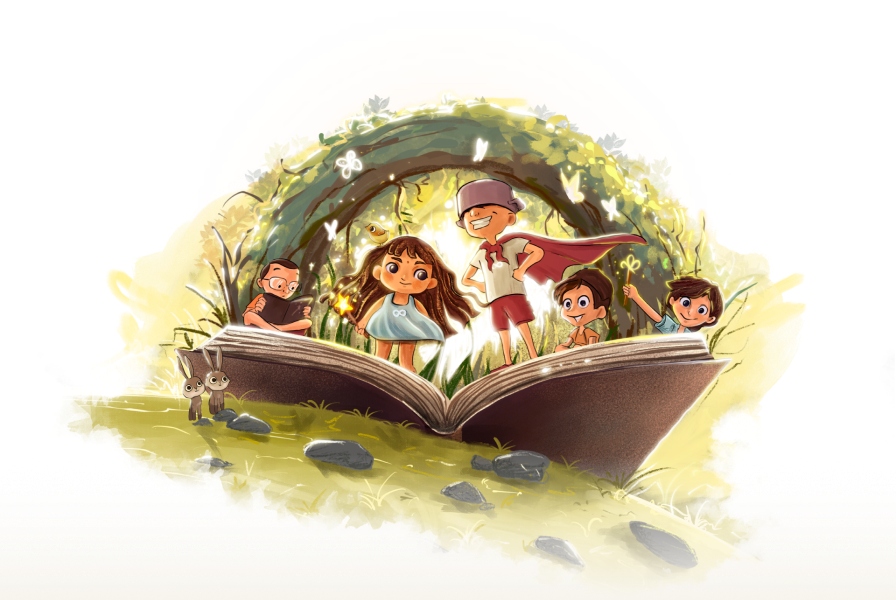
According to StoryBee, a platform that specializes in AI-generated children's stories, these generators create "enchanting and personalized stories for kids...a means to spark creativity and imagination in young minds." The key word here is "personalized." One of the most exciting features of AI story tools is how they let you customize the tale's details. Children light up when they hear their name as the protagonist - suddenly, they're riding Santa's sleigh or finding the last gift under the tree. The level of engagement is elevated because the child isn’t just consuming a story; they helped create it by providing input from their imagination. Some apps allow children to select plot points or endings, providing a choose-your-own-adventure experience that fosters creativity.
AI Music & Soundscapes: Carols by the Robots, Custom Tunes by You
Music is the heartbeat of holiday festivities. We all have a playlist of go-to songs, whether it's Mariah Carey or traditional hymns. However, AI is shaking up this aspect of celebrations with some new tricks. Welcome to the world of AI-generated music, where you can effortlessly craft a personalized holiday song, even if you can't carry a tune. Several AI music platforms have made it remarkably simple to generate songs with just a prompt this year. Want a Christmas jingle about your family dog in the style of a 1950s crooner? Or maybe a Hanukkah song blending klezmer fiddles with modern pop beats? Just ask, and the AI will deliver.
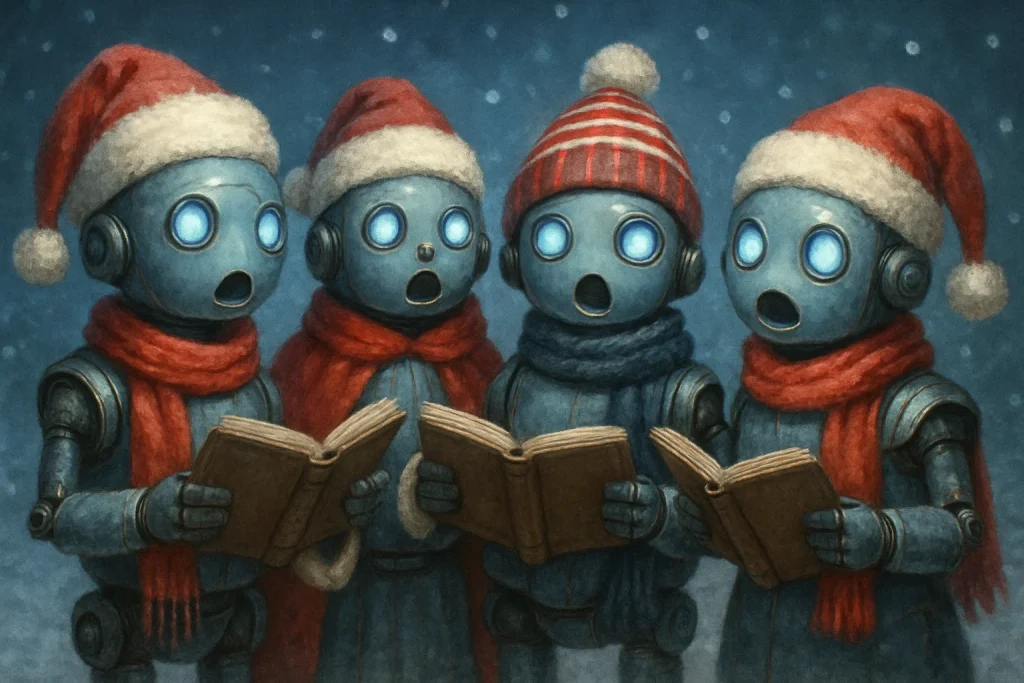
One fascinating example is Neume, an app that offers an AI Christmas Song Generator. It allows users to "turn heartfelt wishes, funny memories, or festive greetings into fully produced songs in seconds," complete with lyrics, vocals, and background music. You don't need to sing or play an instrument — the AI handles it all. As Neume explains, you simply type in a message or choose a theme, select a style ("jazzy and warm" vs. "upbeat pop"), and click "create." In minutes, you get a one-of-a-kind track. It could be a touching surprise for a family member ("Grandma, here's a carol thanking you for your secret cookie recipe!") or a goofy office party anthem that name-drops all your coworkers.
This kind of personalized music used to require hiring a songwriter or laboring over clever lyrics yourself. Now, it's been democratized. Fully customized holiday songs have become a fun new gift idea - something to email or post that no one else in the world has. As the Neume team puts it, it's "your one-of-a-kind Christmas song... just a few words and clicks away."
AI not only creates new songs but also enhances how we experience background music and soundscapes. For example, apps can generate endless ambient winter soundtracks. Imagine an AI DJ in your smart speaker that blends crackling fireplace sounds with soft piano versions of seasonal tunes when you say, "Alexa, set a cozy holiday mood." AI-driven composers are creating royalty-free Christmas background music for videos or games, blending traditional melodies with new harmonies. AI is also playing a role in performances.
Some artists have started using AI voice models to "sing" classic carols in the style of famous singers, just for fun. One viral clip featured an AI model of Elvis Presley crooning "Silent Night," and another featured an AI model of Frank Sinatra singing a modern pop holiday hit - uncanny yet entertaining.
Meanwhile, experimental projects use AI to generate entirely new carols. A few years ago, researchers trained an AI to write a Christmas song from scratch. The result was bizarre and haunting, earning headlines as a "nightmare" carol, but it showed that algorithms can tackle even the creative core of songwriting.
These days, AI-generated tunes are much better. They may not replace "Jingle Bells" anytime soon, but they certainly add variety. Some streaming services now include AI-composed holiday instrumentals in their playlists, and you may have listened to one without realizing it wasn't written by a person.
In short, AI has joined the holiday band. Whether it's enabling you to effortlessly create a personalized holiday song or simply enhancing the background music, artificial intelligence is hitting all the right notes. Don’t be surprised if you find yourself humming a catchy tune this year that was generated by a clever bit of code, unbeknownst to you.
Holiday Chatbots and Mascots: Santa and Friends, On-Demand
What if the characters of holiday legend could talk back to us? In 2025, they can - through AI chatbots and voice assistants embodying the likes of Santa Claus, elves, reindeer, or any festive figure you can imagine. This has been a delightful development especially for kids (and let’s admit it, for plenty of adults too). Instead of merely writing a letter to Santa and hoping for a reply, children can now have a conversation with a Santa AI or receive a personalized “phone call” from the big man in red. It brings a touch of the North Pole magic directly into living rooms, no mall visit required.
Several services have emerged to facilitate these AI-powered Santa chats. For instance, one company provides live phone calls in which an AI-generated Santa voice addresses your child by name, knows their favorite things, and engages them in a friendly conversation that feels remarkably real. “Watch children’s faces light up as Santa knows their name, wishes, and favorite things in a one-on-one conversation they’ll never forget,” invites the SantaPhoneCalls website.
Under the hood, it uses generative AI voice technology (and presumably a script powered by a chatbot brain) to mimic a natural conversation. This isn’t just a pre-recorded “Ho ho ho” - it’s interactive. Parents provide some info (like what the kid accomplished this year or what they want for Christmas) and the AI Santa works it into the call dynamically. Even skeptics have to admit that’s pretty cool.
These AI "mascots" aren't just for kids. Brands have joined in on the fun, too. For example, an online retailer might have a virtual holiday helper chatbot that offers gift suggestions and uses an adorable elf persona. Cities have experimented with chat-based scavenger hunts in which you message an AI character that provides clues to find decorations or discounts around town. The common thread is that AI makes these characters feel alive and accessible.
This technology imbues bits of folklore with conversational abilities. As the technology improves, these characters become more convincing. Perhaps in the future, every family will have an AI character at home during the holidays - a virtual buddy that tells stories, answers curious questions ("Hey Santa, how do reindeer fly?"), and plays simple games. It's like an imaginary friend enhanced by the internet.
While nothing can replace real human connection, these playful chatbots add an extra layer of engagement to the holiday season. In a time when many families are apart or celebrating in a hybrid way (in-person and on Zoom), having an AI Santa or other friendly character to chat with can bring an unexpected smile and a sense of companionship. This is yet another example of how AI-powered experiences are blending seamlessly into our holiday traditions, making them more interactive and fun.
When the Whole World Becomes a Stage
During the holidays, our towns and homes become stages for celebration, complete with lights, decorations, and parades. Now, AI is helping take those spectacles to new heights - sometimes quite literally. From smartphone lenses to city skylines, AI technologies are transforming real-world holiday experiences into scenes straight out of fantasy. In this section, we’ll explore augmented reality filters that add sparkles to selfies, AI-choreographed light shows that awe huge crowds, and virtual winter worlds where people from around the world can celebrate together in imaginative spaces.
AR Filters: Festive Fun in Every Selfie
If you opened Instagram, Snapchat, or TikTok in December, you probably came across a plethora of holiday-themed AR filters. These filters use AI-driven face tracking and image recognition to overlay digital decorations on your surroundings or face. They’re irresistibly fun and a quick way to turn a mundane moment into a festive snapshot. By 2025, AR filters had become so advanced that they could do much more than put a Santa hat on your head - though they could still do that better than ever.
Imagine pointing your phone at yourself and instantly appearing as a chorus of five carol singers, all with your face – that’s an actual Instagram filter concept called “Carol Singing” that transforms you into a squad of vintage carolers in ugly Christmas sweaters.
Or perhaps you’d enjoy a mini-game filter: one popular effect lets you control Santa’s jumps across rooftops by tilting your head, basically turning your selfie into a live video game.
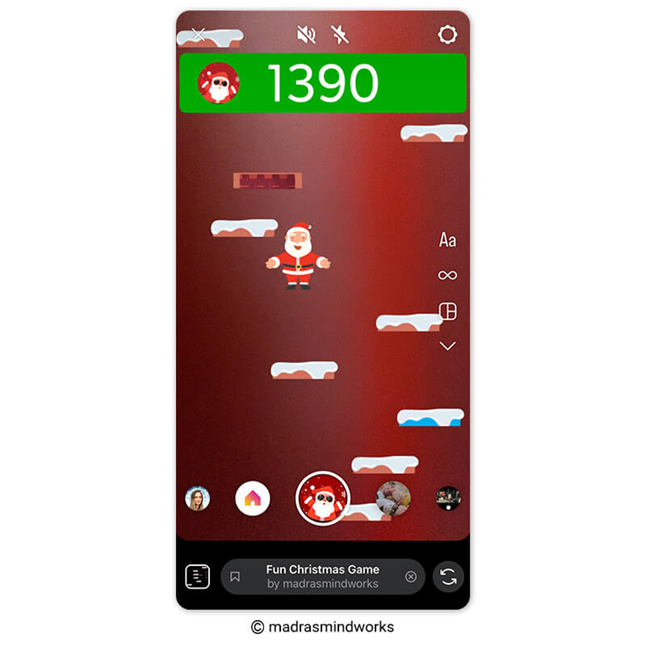
These examples blend AR with a dash of AI (to detect your movements or merge multiple versions of you together) for a uniquely interactive experience. Even classic filters have gotten smarter; take the simple Santa hat. Today’s AR Santa hat can follow your head movements perfectly, pom-pom bouncing as you nod – and add falling snowflakes around you to boot. It’s a far cry from the static stickers of yore.
Beauty and style filters also join the holiday spirit. There are AR effects that give you “Christmas tree makeup” (with virtual glitter and little tree designs on your cheeks) or reindeer antlers that actually wiggle.
All of this is made possible by AI algorithms that can identify your facial features, determine your head's orientation, and subtly enhance your appearance, such as smoothing your skin and brightening your eyes, to create flattering yet fantastical results. Perfect Corp., an AR beauty company, noted that combining AI avatars and AR effects can transform a basic selfie into "stunning Christmas visuals," inspiring users to explore their creativity with these tools. And test we have - 2025's social feeds are full of people showing off their AR-assisted holiday looks.
AI-Driven Light Shows: Dazzling the Night Sky
Few things capture the collective awe of a community quite like a grand holiday light show. In recent years, there has been a shift from traditional fireworks and analog light displays to high-tech spectacles coordinated by algorithms. The most jaw-dropping of these are drone light shows - swarms of illuminated drones that take to the sky in choreographed formations, effectively painting pictures against the night sky. AI plays a role in planning and synchronizing these shows, helping hundreds or even thousands of drones move like a synchronized ballet troupe. The result is some record-breaking, eye-popping holiday events that feel like something out of a sci-fi winter wonderland.
One shining example happened in late 2024 when Sky Elements orchestrated a world-record drone show over Texas. Nearly 5,000 drones took flight at once to form a giant gingerbread village in the sky, along with other holiday scenes.
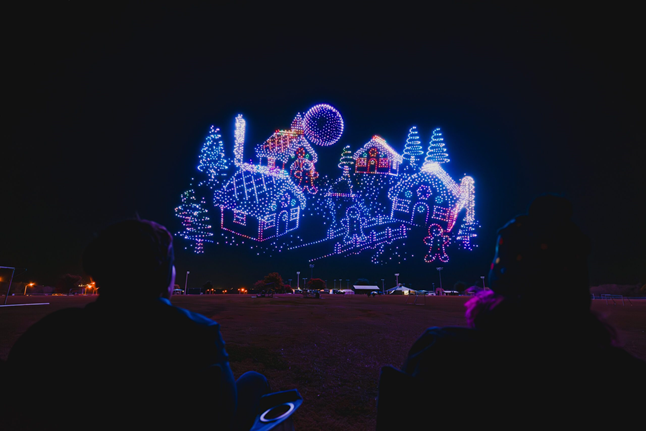
Imagine looking up to see a massive gingerbread house, complete with candy details, hovering above you made entirely of points of light – that’s what the crowd witnessed. The show transitioned from a Thanksgiving turkey shape into a wintry village, and finally into that gingerbread town, all through smooth animations done by drones changing position in perfect concert.
Coordinating something of this scale is immensely complex; the designs are first storyboarded and mocked up digitally, then handed to an AI-driven system that calculates flight paths for thousands of drone “actors”. Each drone is like a pixel in a giant floating screen. Thanks to AI and advanced algorithms, they can hold formation and even adapt if one or two have an issue, ensuring the image stays intact. The end effect is dazzling, and importantly, much safer and more environmentally friendly than fireworks. It’s no wonder cities across the world are starting to adopt drone shows for major holidays and New Year celebrations.
The public’s reaction to these AI-driven light shows has been sheer amazement. Videos of the Texas gingerbread drone display went viral; in fact, a clip of a 5,000-drone Santa Claus from the same team garnered over 100 million views on Instagram – a testament to how mesmerized people are by this new form of art.
Following that success, the company scheduled numerous shows across various cities, effectively launching a new kind of holiday attraction. Not only do these shows depict familiar icons (Santas, snowflakes, menorahs in some cases), but they can also tell brief stories: drones might animate a scene of Santa’s sleigh flying across the sky or spell out a New Year’s countdown. Paired with music (often broadcast via radio or local sound systems) and narrative, it becomes a multi-sensory extravaganza.
AI isn’t limited to drone displays in this arena. On a smaller scale, homeowners use smart, AI-based controllers to synchronize elaborate Christmas light displays to music. Remember those viral videos of houses with lights flashing in time with Trans-Siberian Orchestra songs? Increasingly, these are managed by software that automatically maps beats to light patterns. In city parks, projection mapping uses AI vision to adjust in real time, transforming building facades or trees into dynamic storybooks of light and color. The common theme is that AI enables incredibly complex coordination, whether with thousands of moving drones or millions of LED pixels, to create unified spectacles that would otherwise be impossible (or require far more manpower). We're essentially watching algorithms perform a choreographed dance with light as their medium.
These high-tech shows illuminate the world and bring people together in shared wonder. Crowds gather, bundled up in coats with their faces upturned to reflect the glow. The universal holiday magic and sense of awe and community are still in the air, but now they're delivered via cutting-edge innovation. When the local news says, "Don't miss the show," they might be referring to an AI-powered light extravaganza visible for miles. In this way, AI has made the whole world a stage for holiday celebrations, where the sky and the earth become canvases for joyful expression.
Virtual Winter Worlds: Celebrating Together, Apart
While many holiday experiences involve venturing out into the physical world, a parallel universe (quite literally) exists where celebrations unfold: the digital realms of virtual reality and online platforms. The concept of a "winter wonderland" has evolved beyond snowy forests and mall displays. Now, we have immersive virtual winter worlds created with AI and interactive technology. These are places where you can stroll through a Christmas market from your couch, attend a Hanukkah concert in a video game, or host a New Year’s Eve party in a virtual mansion with friends from around the world. Such experiences have become surprisingly commonplace and delightfully inventive in 2025.
Consider Mariah Carey’s Winter Wonderland on Roblox in 2022, a high-profile event that set the stage for virtual holiday gatherings. The pop icon, often dubbed the "Queen of Christmas," opened a Christmas-themed world on Roblox, complete with a treasure hunt, virtual gifts, and live performances by her avatar.
Millions of players' avatars joined in to explore a snowy town, collect festive goodies, and watch Mariah's avatar perform "All I Want for Christmas Is You" while fireworks exploded in the virtual sky. This metaverse-style concert was a hit. It felt like a grand community celebration that was accessible from anywhere. One moment, you might be customizing your avatar with a virtual ugly sweater, perhaps courtesy of an AI-driven generator in the game. The next, you’re dancing with strangers-turned-friends at a digital concert. The success of such events shows that people are eager to embrace new forms of togetherness when physical distance or other circumstances keep them apart.
Building on that, many other virtual events have emerged. Gaming platforms often hold seasonal events. For example, Fortnite has holiday skins and snowball fights, and Minecraft has downloadable winter landscapes. Some of these events use procedural generation, a cousin of AI, to create ever-changing festive environments. VR experiences have grown as well. You can strap on a headset and suddenly find yourself in a horse-drawn sleigh gliding through VR Lapland or visiting a simulation of Jerusalem’s Western Wall during Hanukkah, with other users appearing as avatars around you. These experiences are becoming more realistic and interactive, partly thanks to AI techniques that generate more realistic graphics and intelligent behaviors for virtual characters. Imagine NPCs in a Christmas market that chat with you about the weather or offer you virtual hot cocoa.
Another facet is augmented reality. City tourism boards have started creating AR walking tours for holidays. For example, in some cities, you can use your phone to view virtual decorations or historical holiday scenes from decades past. These tours essentially layer stories onto the real world. While these AR experiences may not require advanced AI, they demonstrate a future where any location can have hidden holiday content that is unlocked by our devices.
The "virtual winter world" concept also extends to shared creative projects. There are digital snowball fight simulators and virtual Christmas tree decorating apps that use AI to suggest design ideas or virtually place a family’s photos as ornaments. We've seen families who are far apart use multi-user VR to celebrate Christmas morning together—grandpa in one country and the kids in another—all meeting in a cozy virtual chalet to unwrap pretend gifts and play games. It sounds a bit sci-fi, but it's happening and bringing genuine joy.
AI’s role across these experiences is as an enabler and enhancer. It powers the content generation, making sure these worlds feel rich and alive. It can match players for events (ensuring you’re in a server with someone who speaks your language or shares your interests). It keeps things safe too, by moderating chats or maintaining the illusion (no breaking character for Santa’s AI!). As more people have access to VR and AR, we’re likely to see even more elaborate and inclusive celebrations online. Perhaps an AI will curate a global New Year’s Eve in VRChat where you can hop between virtual venues – one moment dancing in a simulated Tokyo street festival, the next meditating in a peaceful mountaintop temple to ring in the year. The distance between physical and virtual celebration is blurring, and that means no one has to miss out. If you can’t fly home for the holidays, you might meet your family’s avatars by the virtual fireplace for an hour instead. It’s heartwarming in its own high-tech way.
In all these trends, one thing is clear: whether through AR filters, AI-run light shows, or virtual worlds, technology is making the world itself – both the real one and the digital one – an interactive stage for holiday cheer. It’s drawing more people into the spectacle, not just as spectators but as participants. And that inclusive, participatory quality is what makes these innovations truly feel like the next chapter in our holiday traditions.
Tiny Glitches, Big Smiles - The Weird Side of AI Holidays
Of course, any discussion of AI in holiday entertainment must acknowledge the quirky side of this technology. While AI offers wonder and convenience, it also yields unexpected, amusing, and sometimes bizarre results. And you know what? People love it. A whole genre of holiday fun has emerged from the happy accidents and "AI fails" that occur when algorithms miss the mark in spectacular fashion. In the spirit of the season, these little glitches often bring big smiles and hearty laughs. They remind us that, despite its intelligence, AI can be charmingly clumsy in very human ways.
Consider the case of the AI-generated Christmas mural in London this year that turned into an accidental horror show. A local shopping area commissioned what they thought would be festive, classic-style AI artwork. What they got looked more like The Nightmare Before Christmas than a winter wonderland.
The mural, reportedly created with the help of AI and perhaps a mischievous artist, featured surreal and unsettling imagery, including a deformed snowman, monstrous-looking Santas with unsettling grins, and a crowd of vaguely Victorian revelers who appeared to have wandered out of a fever dream. Residents were puzzled and displeased. Some described the huge piece as "horrible, like a scene from hell," and it quickly attracted national attention for all the wrong reasons. Within days, amid the backlash and spooked children, the mural was taken down. What was a failure as a piece of public art, however, succeeded in becoming a hilarious anecdote. Social media users had a field day sharing close-ups of a three-eyed Santa with a melting face or the eerie snowman and adding captions like "When AI meets eggnog." The mural became an impromptu Halloween-in-December moment. In a strange way, this glitch also brought people together, as everyone joked, "So that's what happens when AI drinks too much mulled wine before painting!" On a lighter note, AI’s imaginative misfires have birthed some intentionally entertaining content. One AI researcher decided to feed a model tons of old Victorian holiday card descriptions (which were already odd – Victorians loved bizarre cards). The AI then tried to create its own Victorian Christmas card concepts. The results were wonderfully absurd. It cheerfully conjured images such as “a towering helmeted seahorse on two tiny, dancing legs” wishing you a happy 1889, or “three leaping artichokes” celebrating your pleasure and satisfaction. Perhaps the most giggle-inducing: an AI holiday card scene of “three poops, the pets of ‘Jolly Old Quaker’ Father Christmas, ride in a sled”.
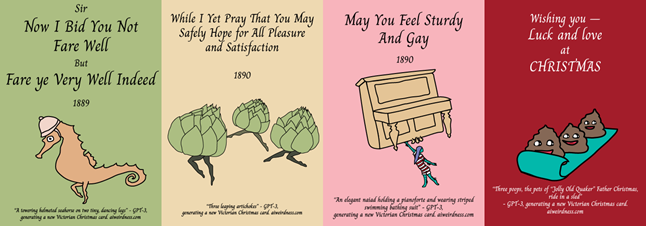
Yes, you read that right – the AI saw fit to include sentient poop friends sledding with Santa. Ridiculous? Absolutely. But also side-splittingly funny, and oddly creative! The researcher, Janelle Shane, even illustrated some of these and shared them on her AI Weirdness blog, to the delight of readers. It’s become a mini-tradition to see what hilarity AI will spew out each year when tasked with writing a new Christmas carol or movie plot. A few years back, one neural network wrote a song called “Rudolph the Red-Nosed Reindeer, King of Jingling” that was so off-kilter it became a viral “so bad it’s good” hit.
There was also the infamous attempt to create an AI-written Hallmark movie script. The resulting dialogue was so sappy and nonsensical that it could almost pass for parody. One script had characters admiring each other’s love of Christmas cookies in every scene.
These oddball outputs have endeared AI to people in a different way, not as a cutting-edge tool but as an earnest, goofy apprentice still learning the ropes. Seeing folks share screenshots of a holiday chatbot making a typo or an AI image that gave Santa an extra reindeer leg is heartwarming. It humanizes the technology and turns it into a source of play. There’s a sense of collective humor in watching AI attempt to replicate human festivity and fail adorably. Memes and in-jokes emerge, such as the community that embraces strange AI-generated tree ornaments or ugly sweater designs that make no sense. Even when AI gets it wrong, it can inadvertently create new forms of holiday art—abstract, but art nonetheless!
The holidays can be stressful, so some comic relief is appreciated. Knowing that even a super-smart AI can mess up a Christmas card takes the pressure off our own imperfect celebrations. You burned the pie? Well, somewhere, an AI is drawing artichokes dancing around a bonfire and calling it Christmas—everything's fine! Some families are intentionally using AI for mischief. For instance, they might ask ChatGPT to write a Christmas poem in Shakespearean English about the family cat. Then, they read it aloud and elicit roaring laughter with the absurd rhymes. Or they might generate a fake New Year's news report from the future involving each family member that often contains silly errors. They might also have AI answer the most important questions about life, death, and software development - just as we did. These games show how AI glitches and creativity can be a new form of entertainment.
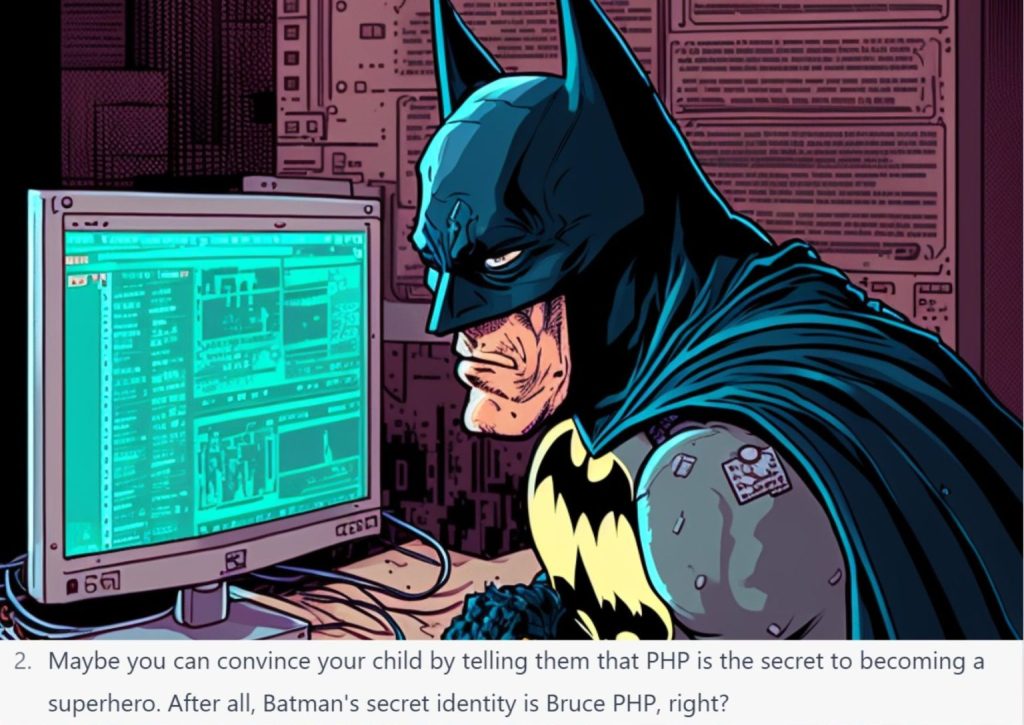

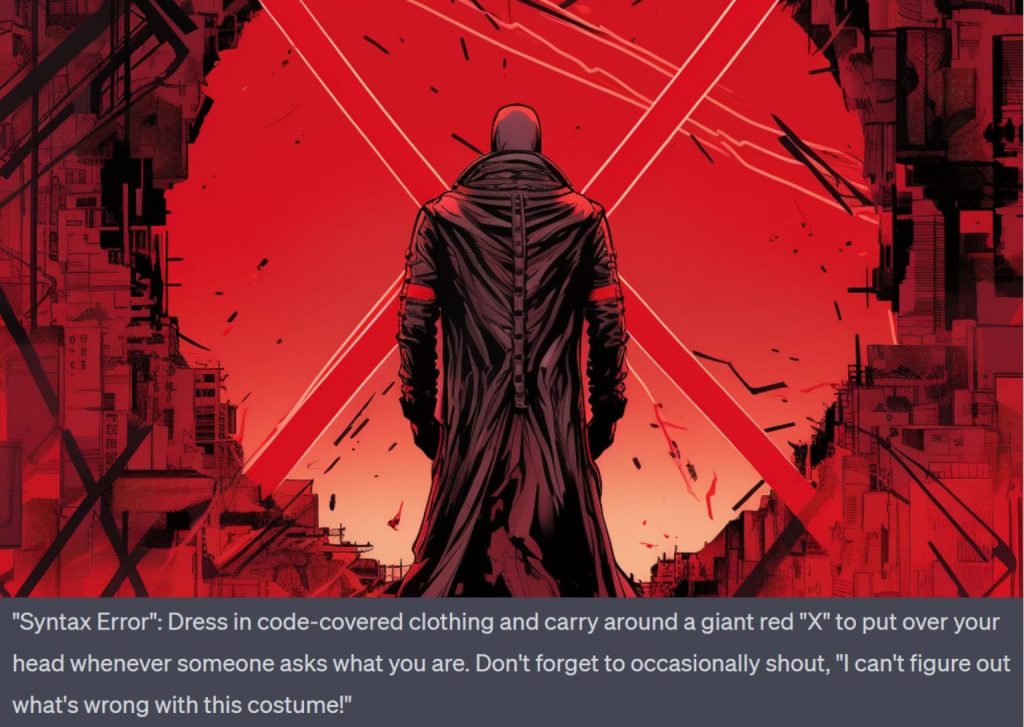
In a way, the “weird side” of AI holidays teaches an important lesson akin to the spirit of the season: sometimes the imperfections, the quirky surprises, end up being the most memorable moments. Just as a quirky handmade ornament or a funny family mishap becomes beloved lore, the AI’s delightful mistakes are becoming part of our modern holiday folklore. So here’s to the dancing seahorses, the nightmare snowmen, and the endlessly apologetic chatbots – you’ve made our holidays in 2025 a whole lot more interesting and fun.
Conclusion
In light of these innovations, one might worry that technology will overshadow the simple pleasures of the holidays. However, if 2025 has taught us anything, it's that AI and human traditions can complement each other in heartwarming ways. A grandmother’s eyes still light up at a grandson’s holiday card, even if the card is animated by AI. Families still bond over storytelling, even if a chatbot helped craft the tale. Friends across continents can still toast together, even if their avatars clink virtual glasses in a snow-capped VR lodge. The essence of the holidays remains the same: sharing joy, making memories, and finding comfort in togetherness. AI is just a new medium that helps us do those things with more creativity and reach.
Looking at the holiday landscape now, it feels both familiar and fantastically new. We still have our candles, cocoa, and carols. But now, we also have dancing robot reindeer projections on skyscrapers and personalized carols that sing our names. This blend works because we humans infuse meaning into every tool we use. The technology may be cutting-edge, but the delight it brings is as old as time: Laughter at a silly elf video. Tears at a story that captures what family means. Amazement at a community coming together under a sky painted with drone lights. These emotional responses don't change with technology; technology changes to better elicit them.
Check out a related article:
Unconventional Intelligence: 12 Surprising AI Applications Reshaping 2025
As we conclude our exploration of AI's role in holiday entertainment, a warm optimism emerges. The world is ever-changing, and AI is a powerful force in that change. But in the context of our wintertime celebrations, AI doesn't appear cold or impersonal; it appears as a facilitator of shared happiness. It helps us create art, music, and stories. It’s connecting people in novel ways. It's even making us laugh at its mistakes, bringing a sense of humility and humor.
So here’s to a holiday season where tradition and innovation waltz hand in hand. May your Hanukkah lights shine bright (perhaps with a smart timer to remind you to kindle them!). May your Christmas morning be full of wonder (perhaps with an AI-generated scavenger hunt under the tree). May your New Year ring in with hope (perhaps shouted by friends’ avatars from around the globe). And however you celebrate, may you feel the genuine community and creativity that define this special time of year. After all, the true star atop the tree – whether real or virtual – is the joy we share. Happy holidays, and here’s to the memories we’ll create together, powered by love, laughter, and a little help from AI.
Leave a Comment